The Flickr Awards
TBD
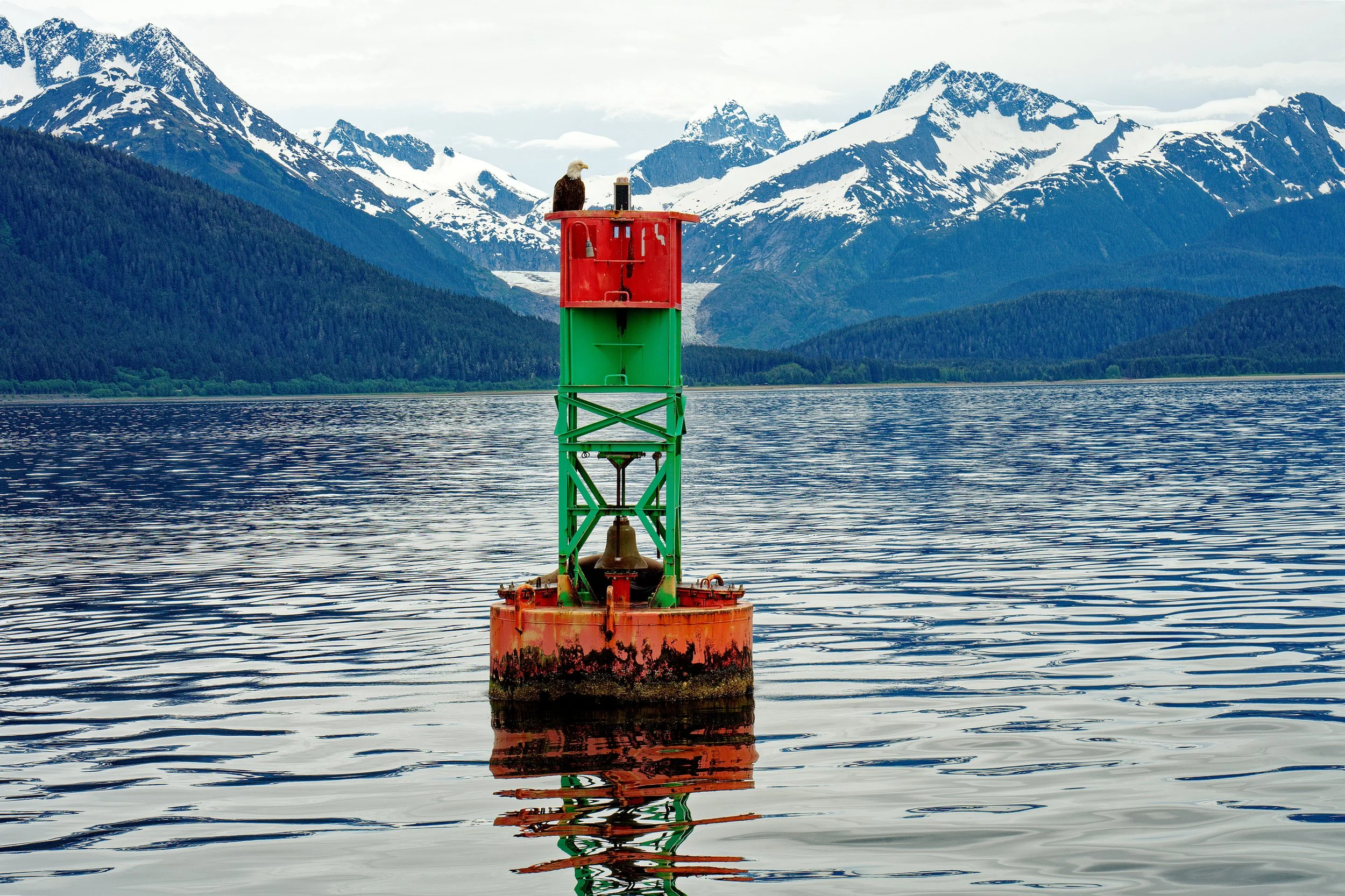
Juneau Bay, Alaska
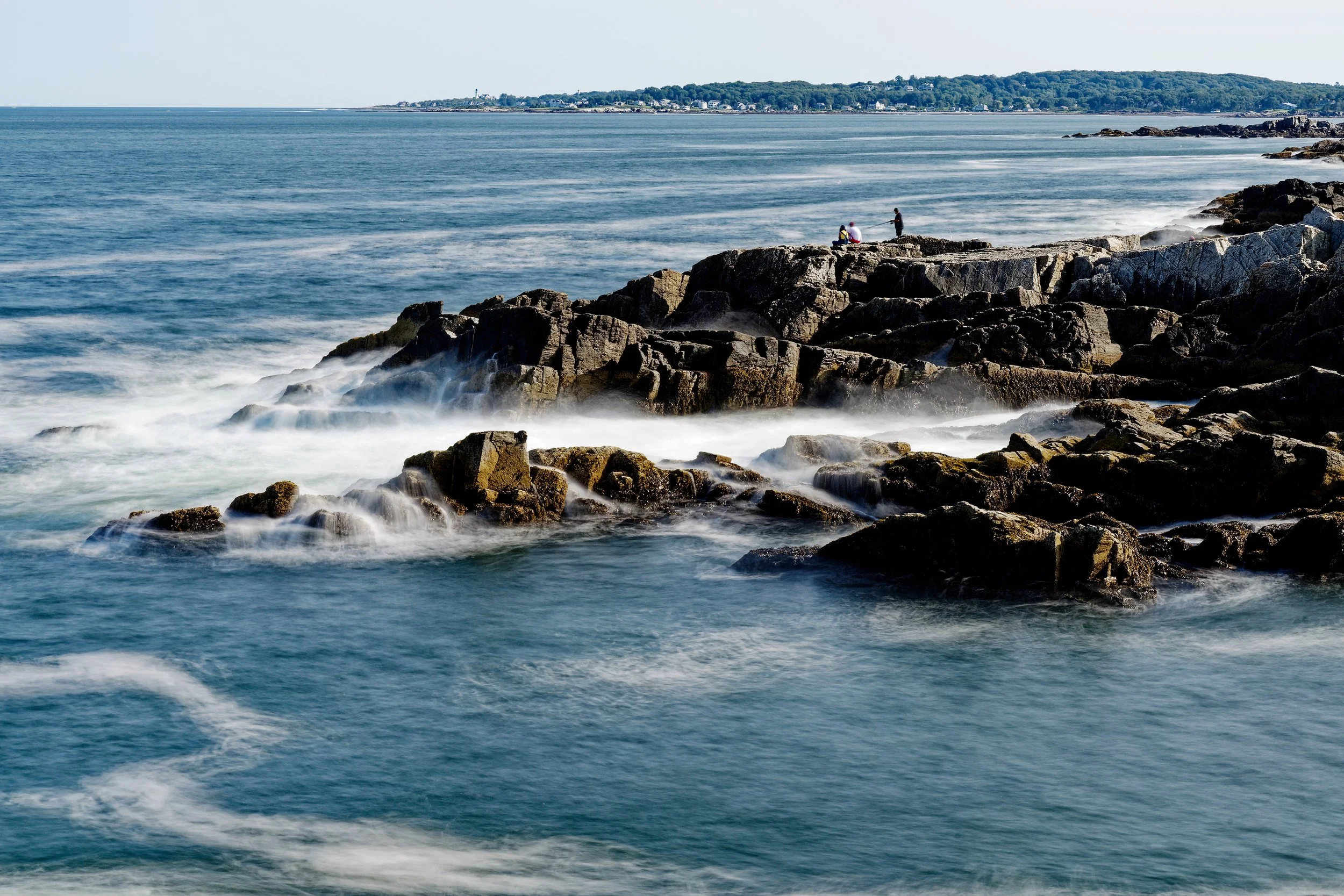
South Portland, Maine
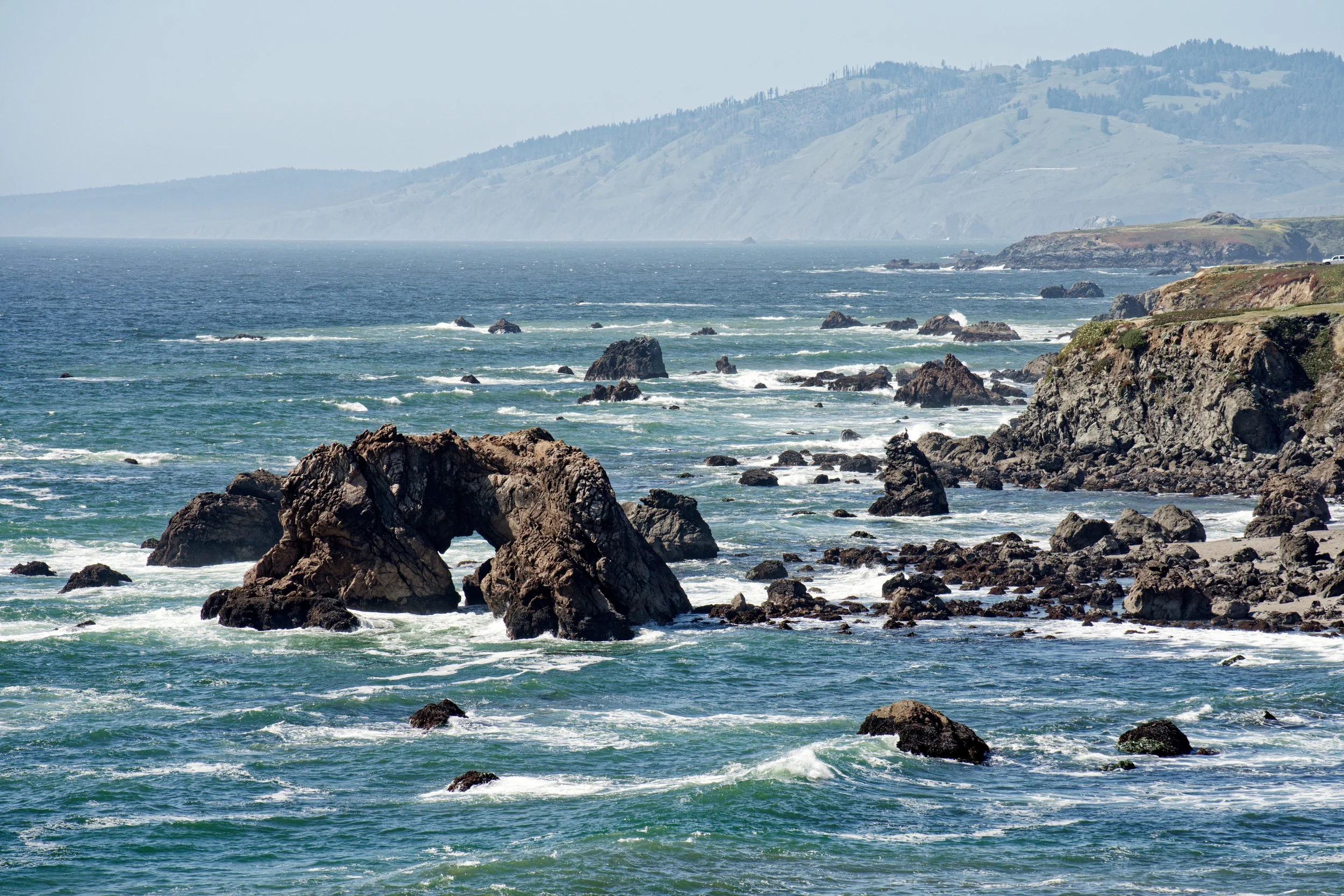
Bodega Bay, California
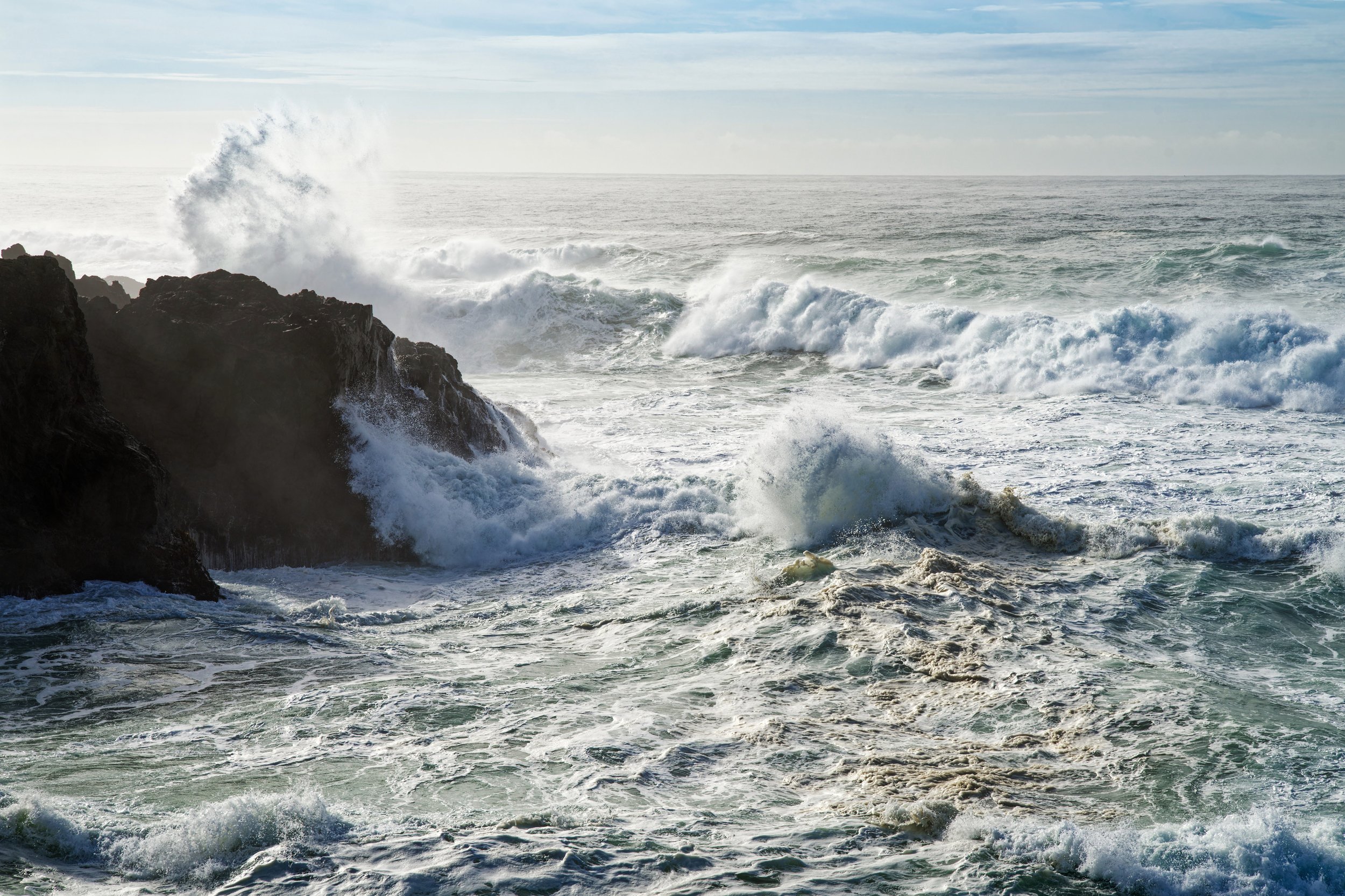
Mendocino Head, California
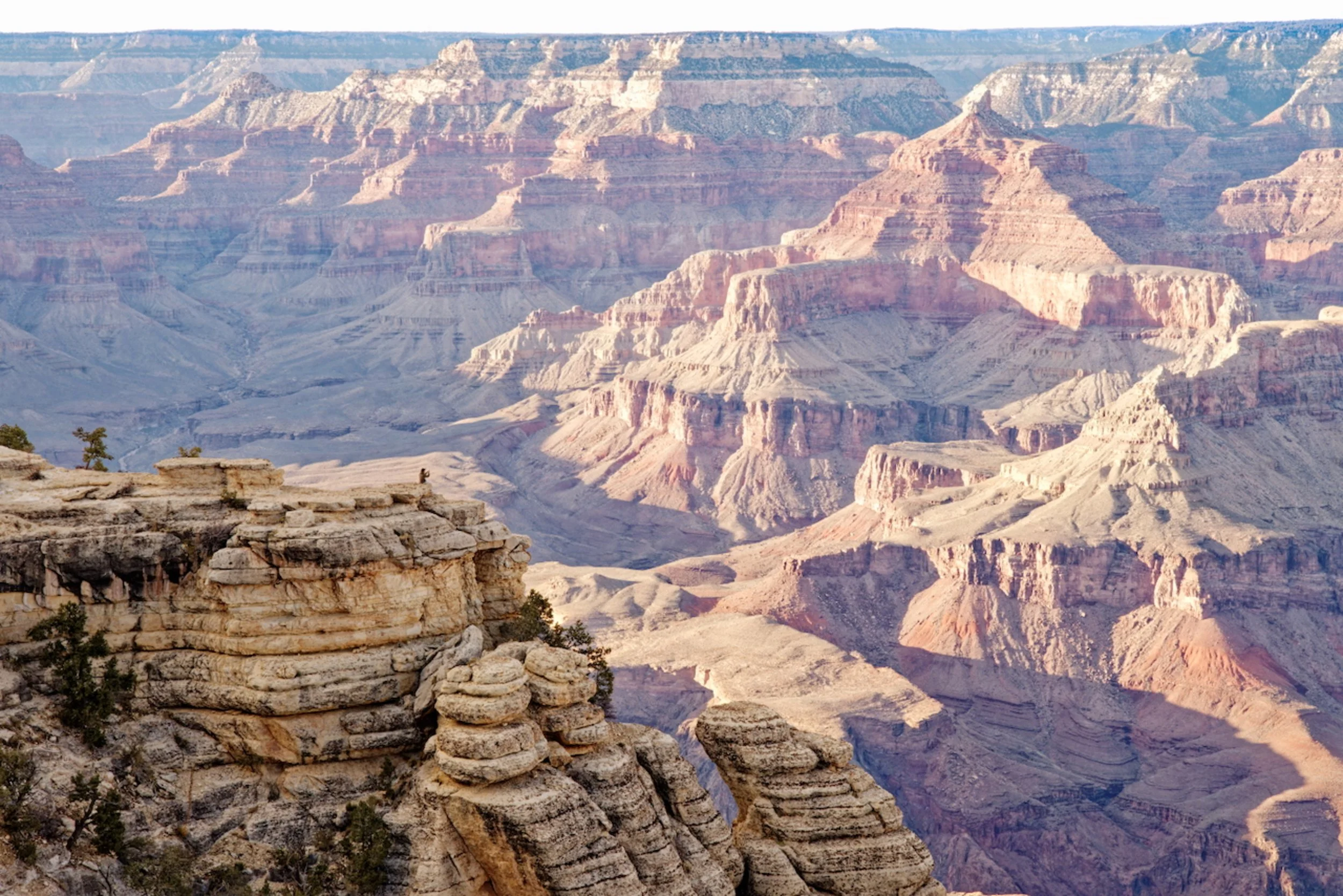
Grand Canyon, Arizona
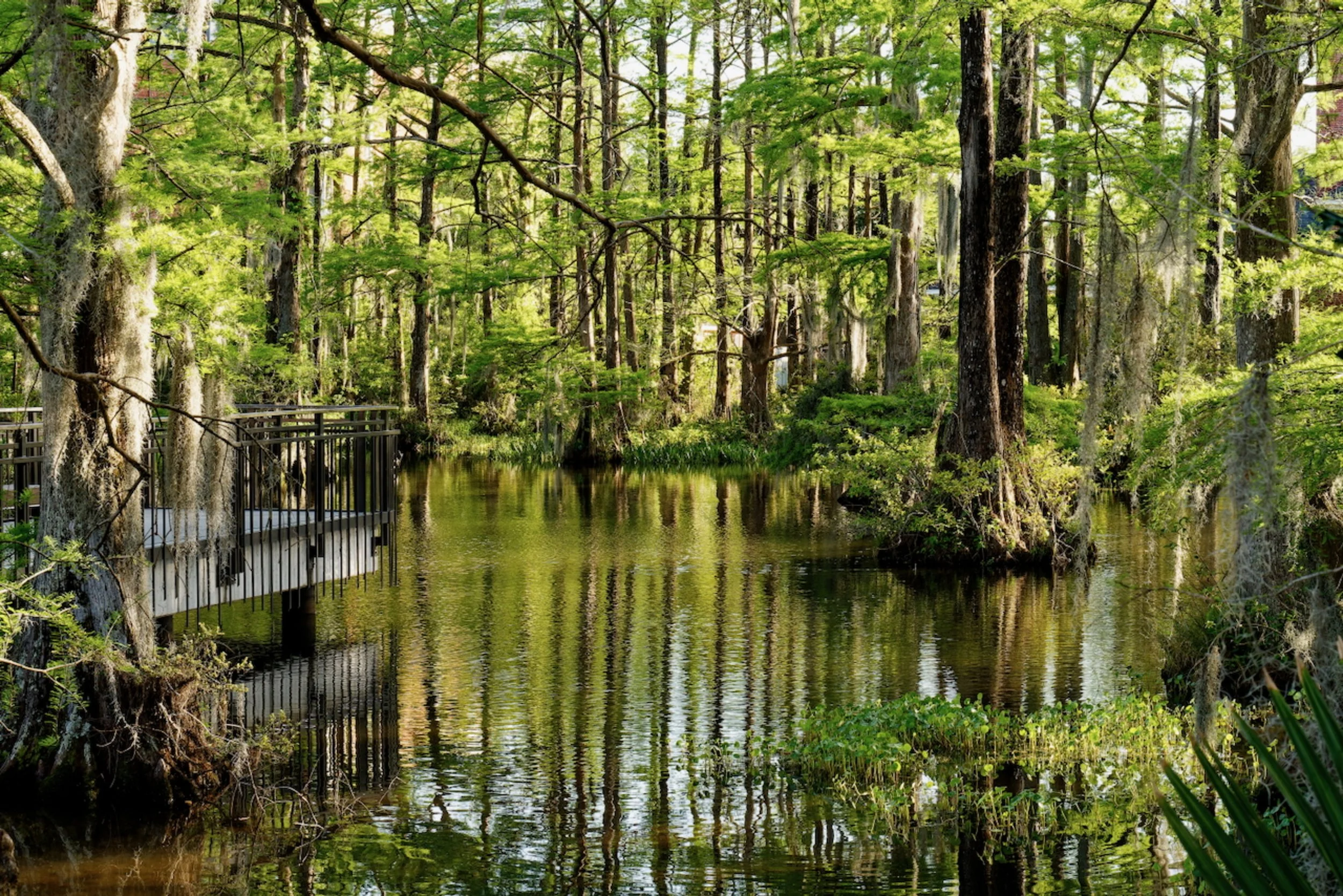
Swamp at University of Louisiana, Lafayette
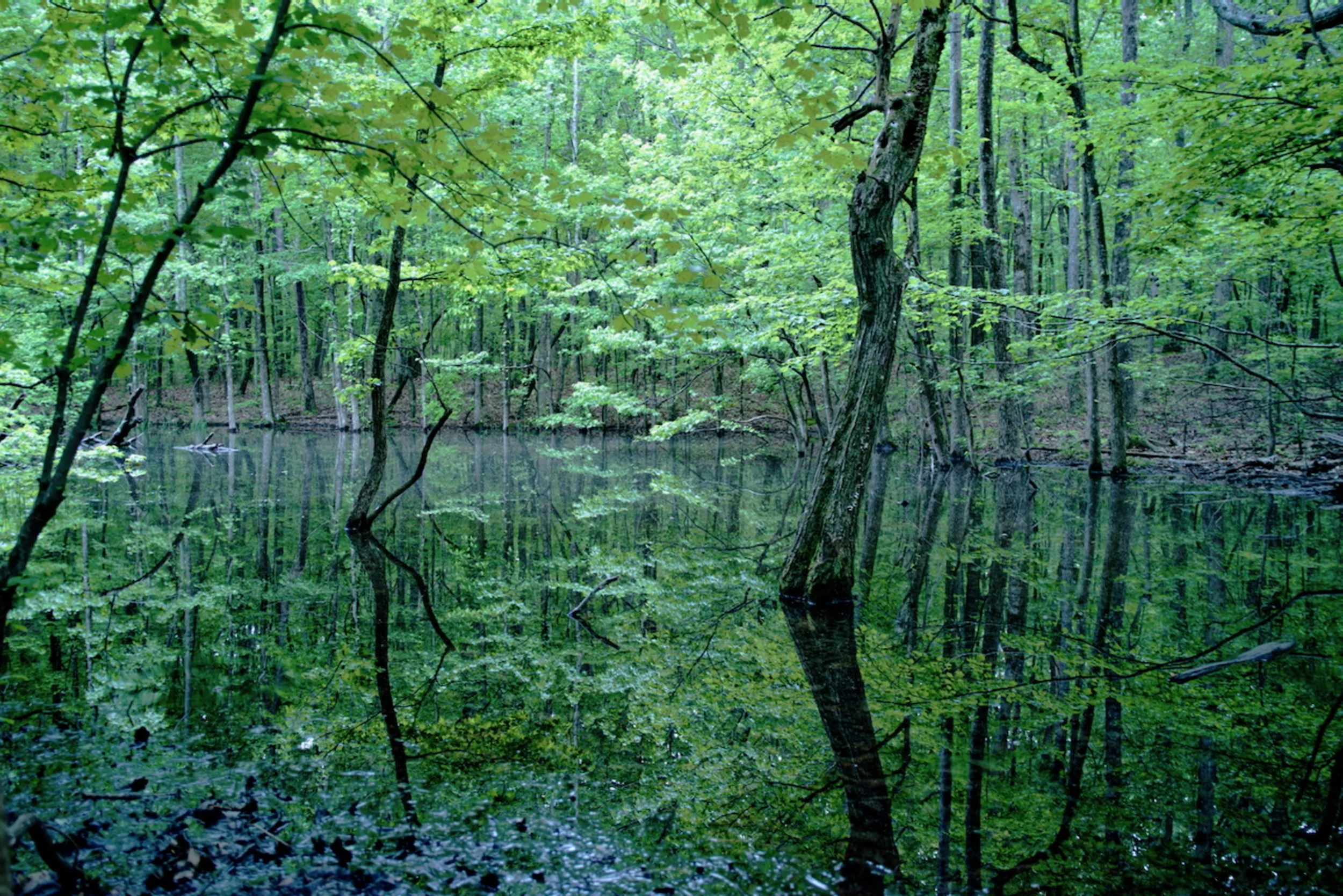
Monte Sano State Park, Huntsville, Alabama
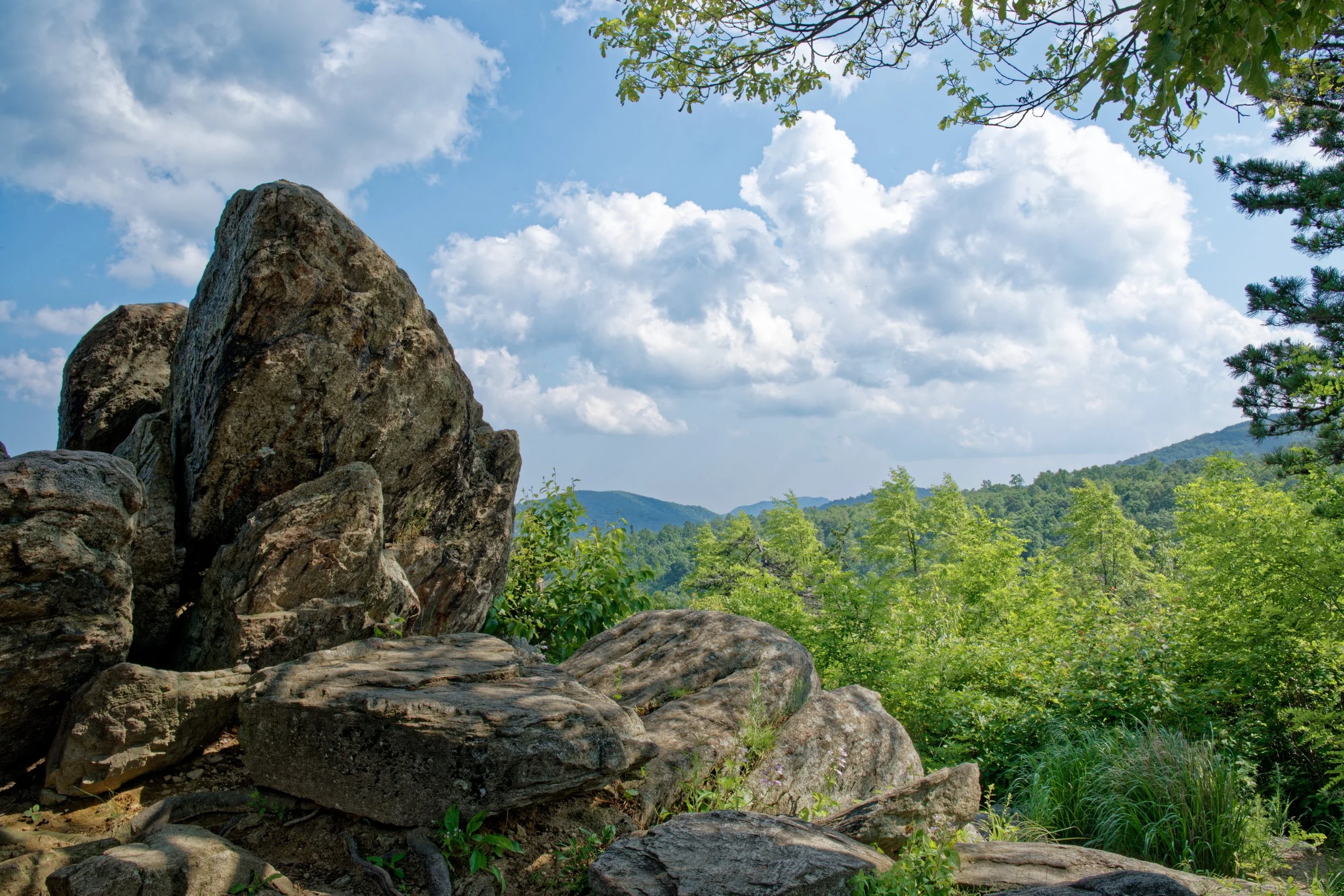
Shenandoah National Park, Virginia
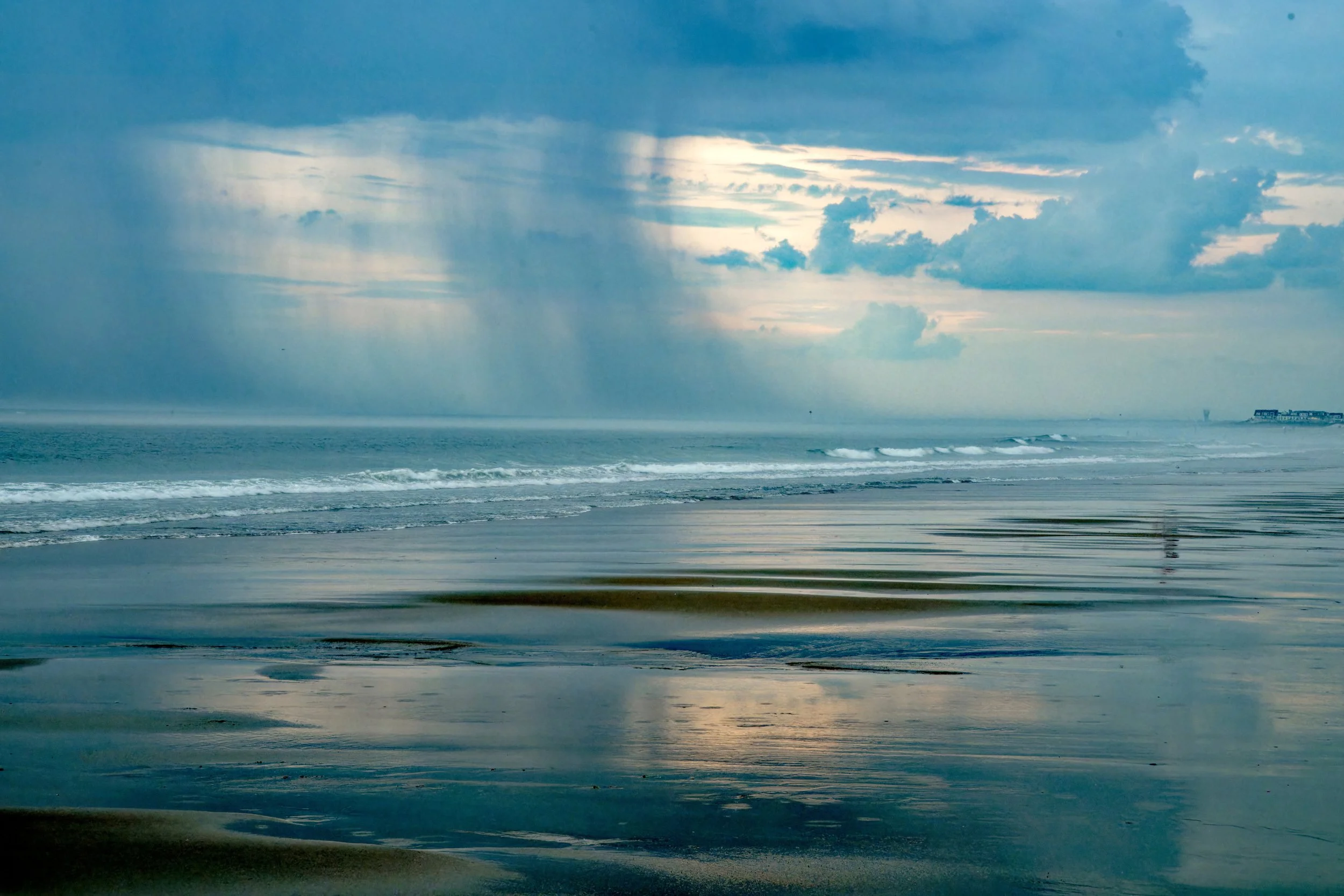
Hampton Beach, New Hampshire
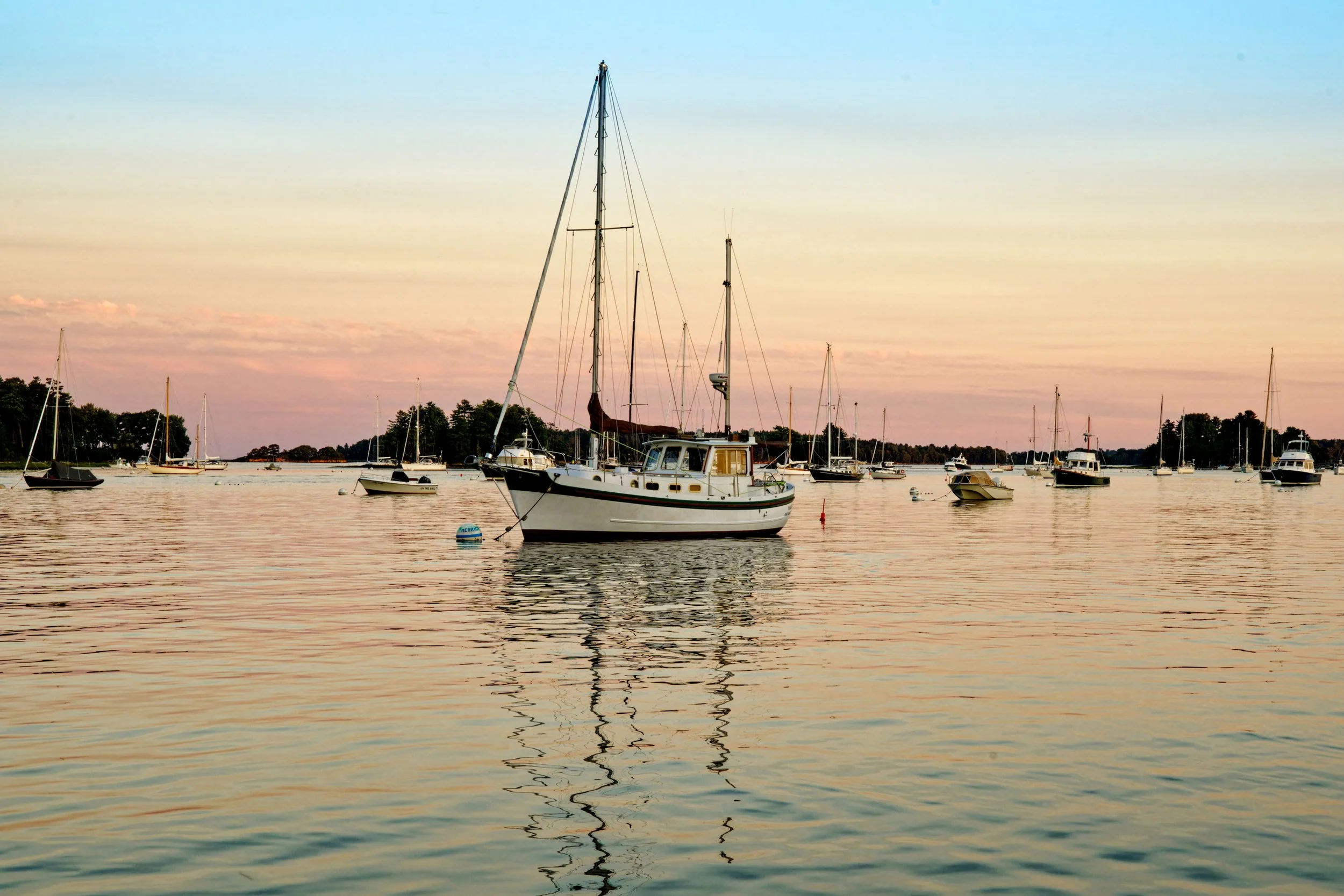
South Freeport Harbor, Maine
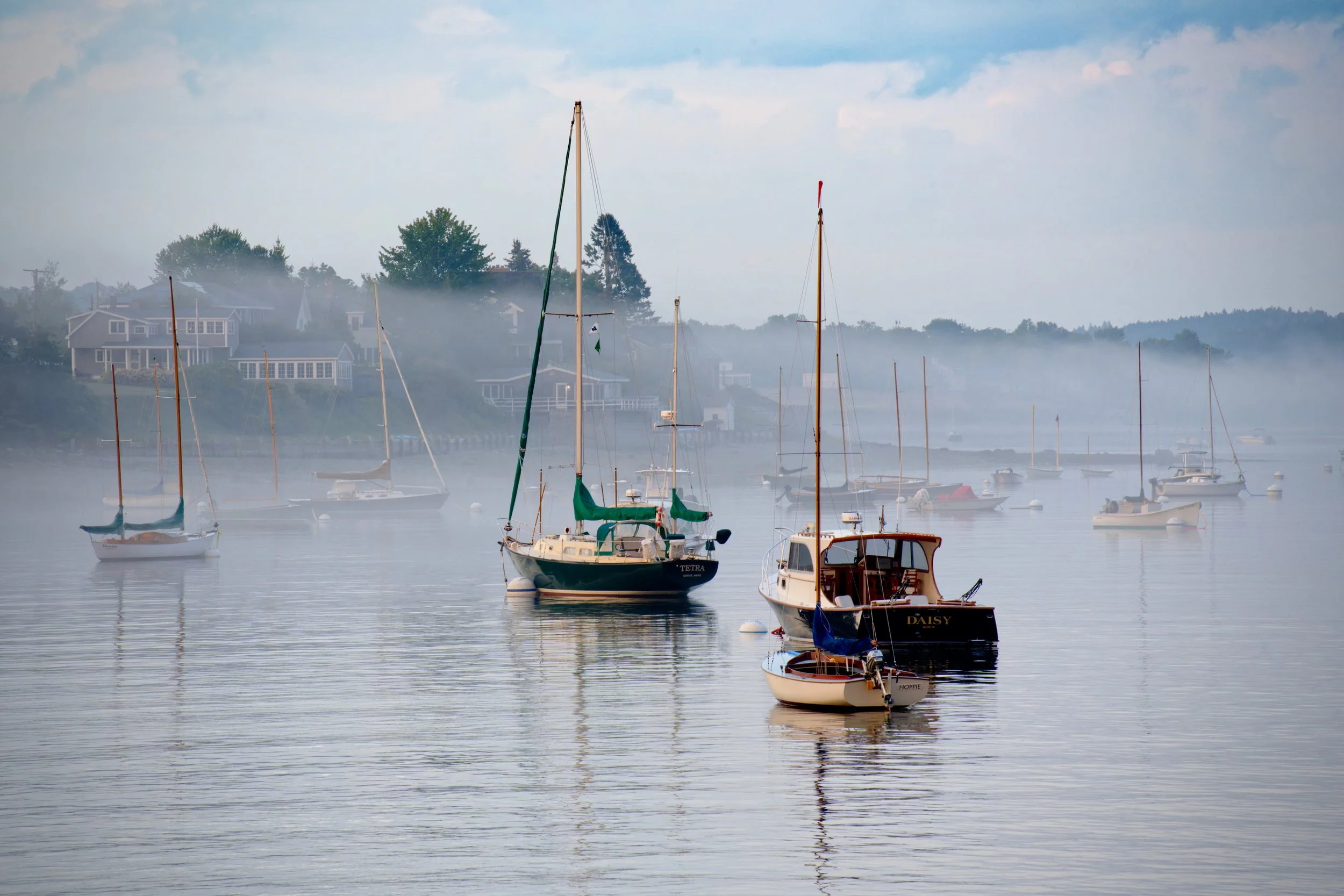
Castine Harbor, Maine
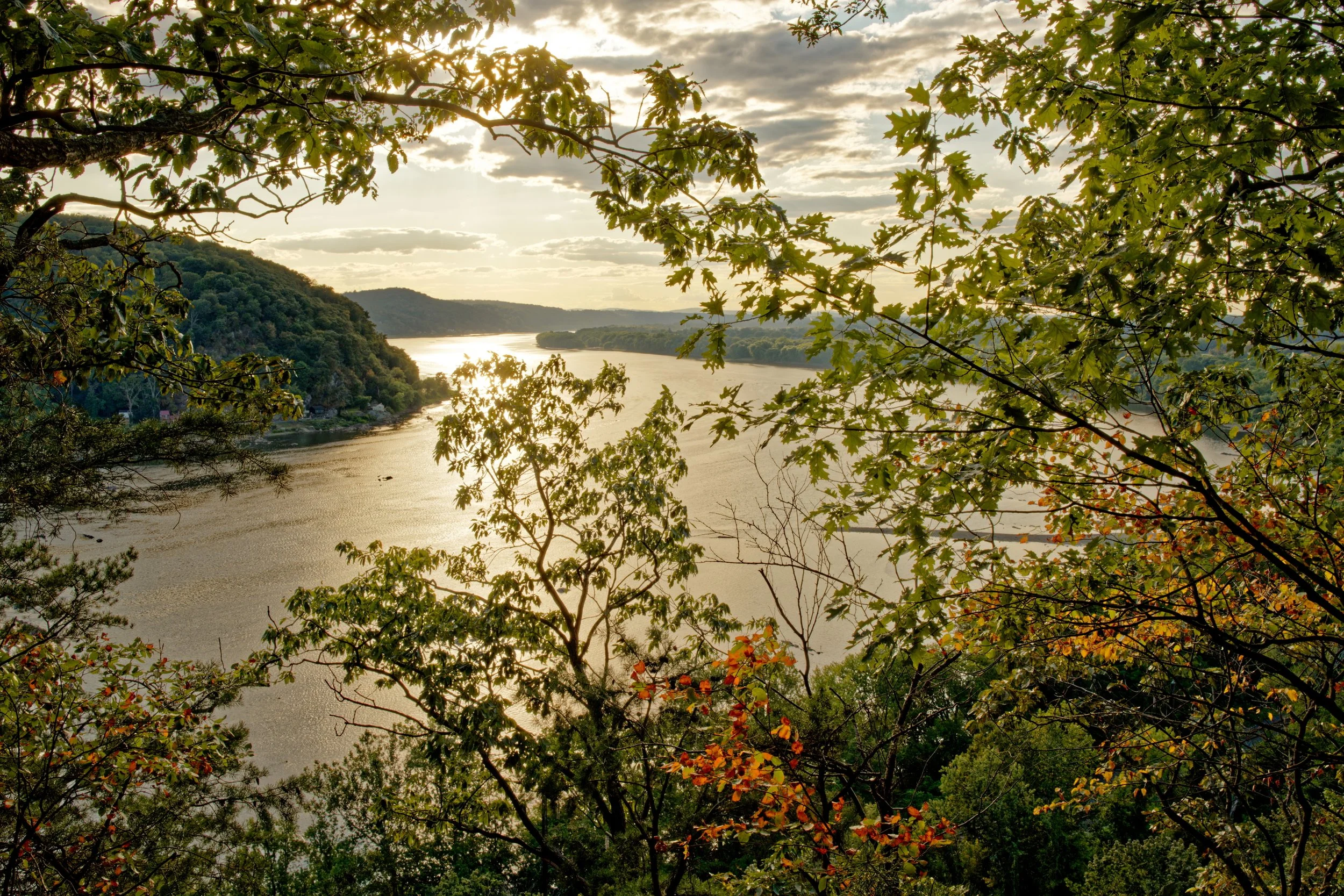
Susquehanna River, Columbia, Pennsylvania
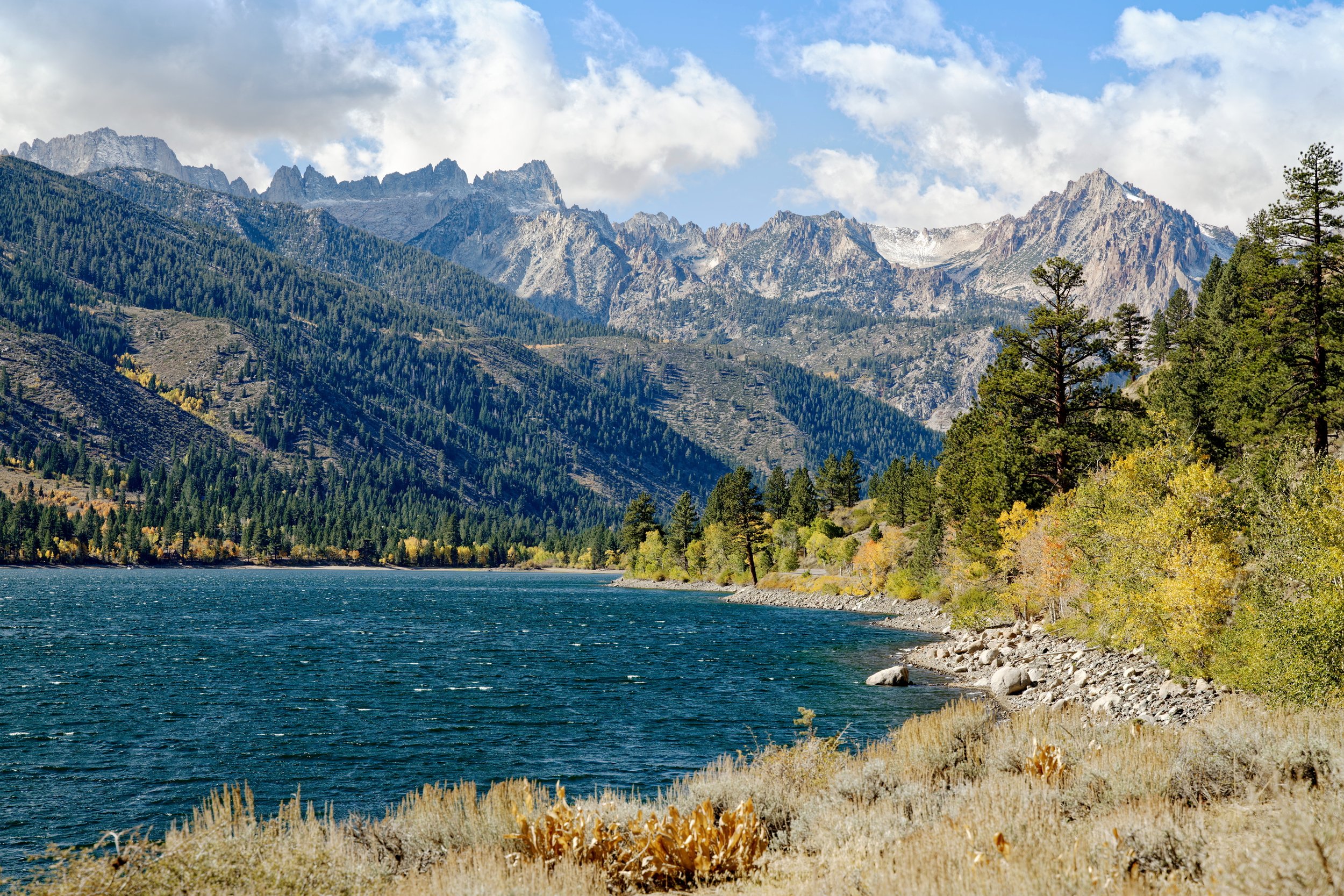
Eastern Sierras, Bridgeport, California
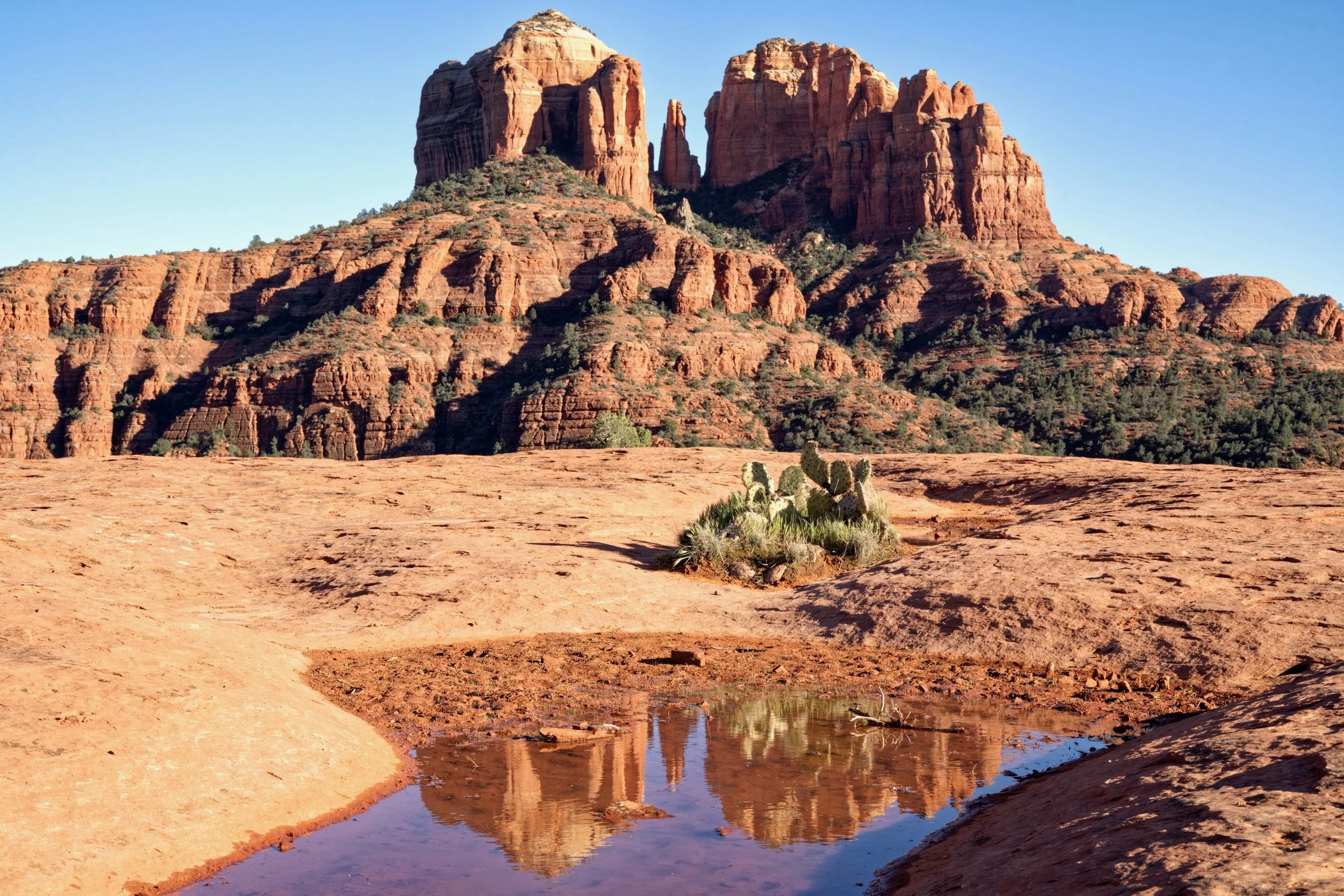
Cathedral Rock, Sedona, Arizona
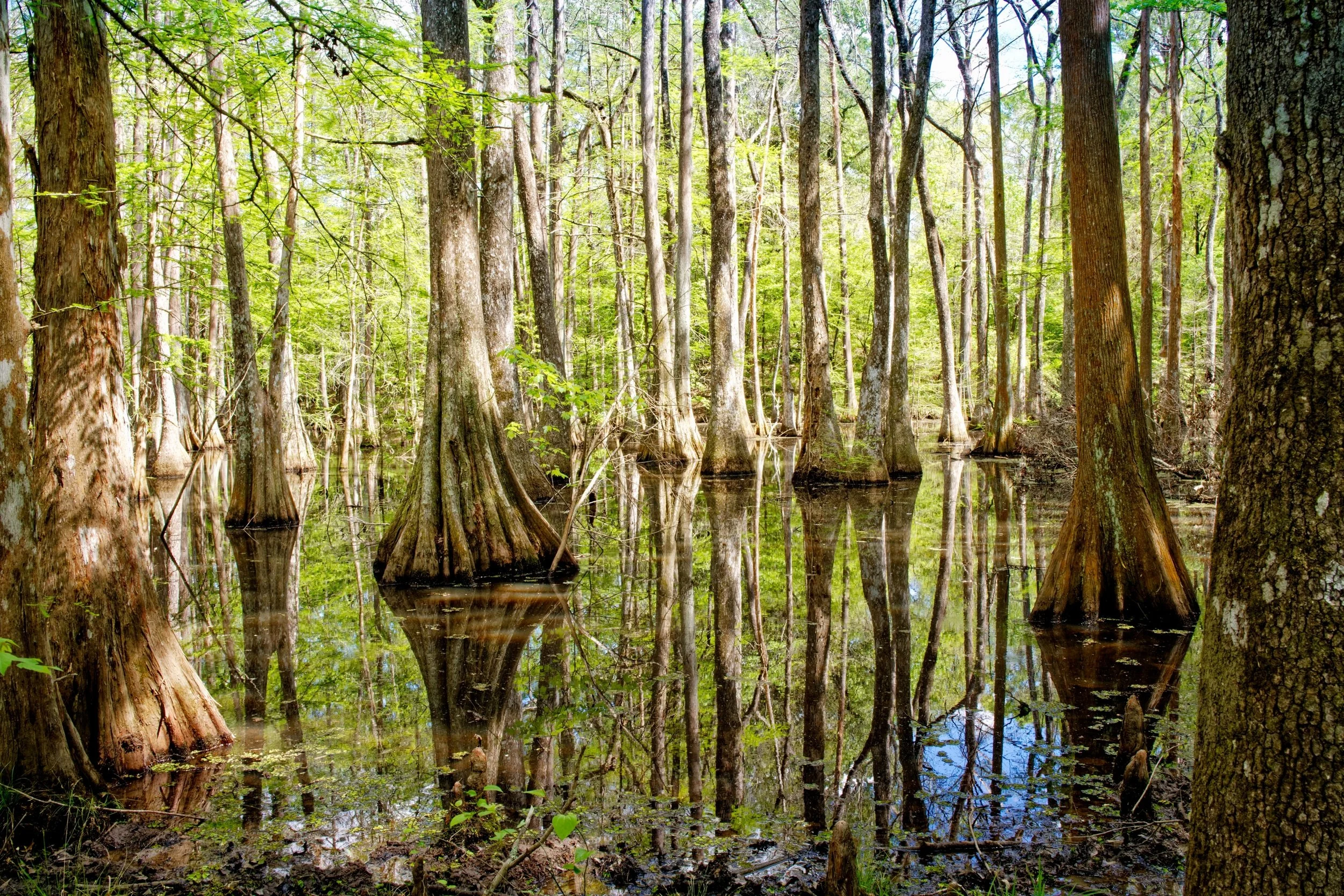
Chicot State Park, Ville Platte, Louisiana
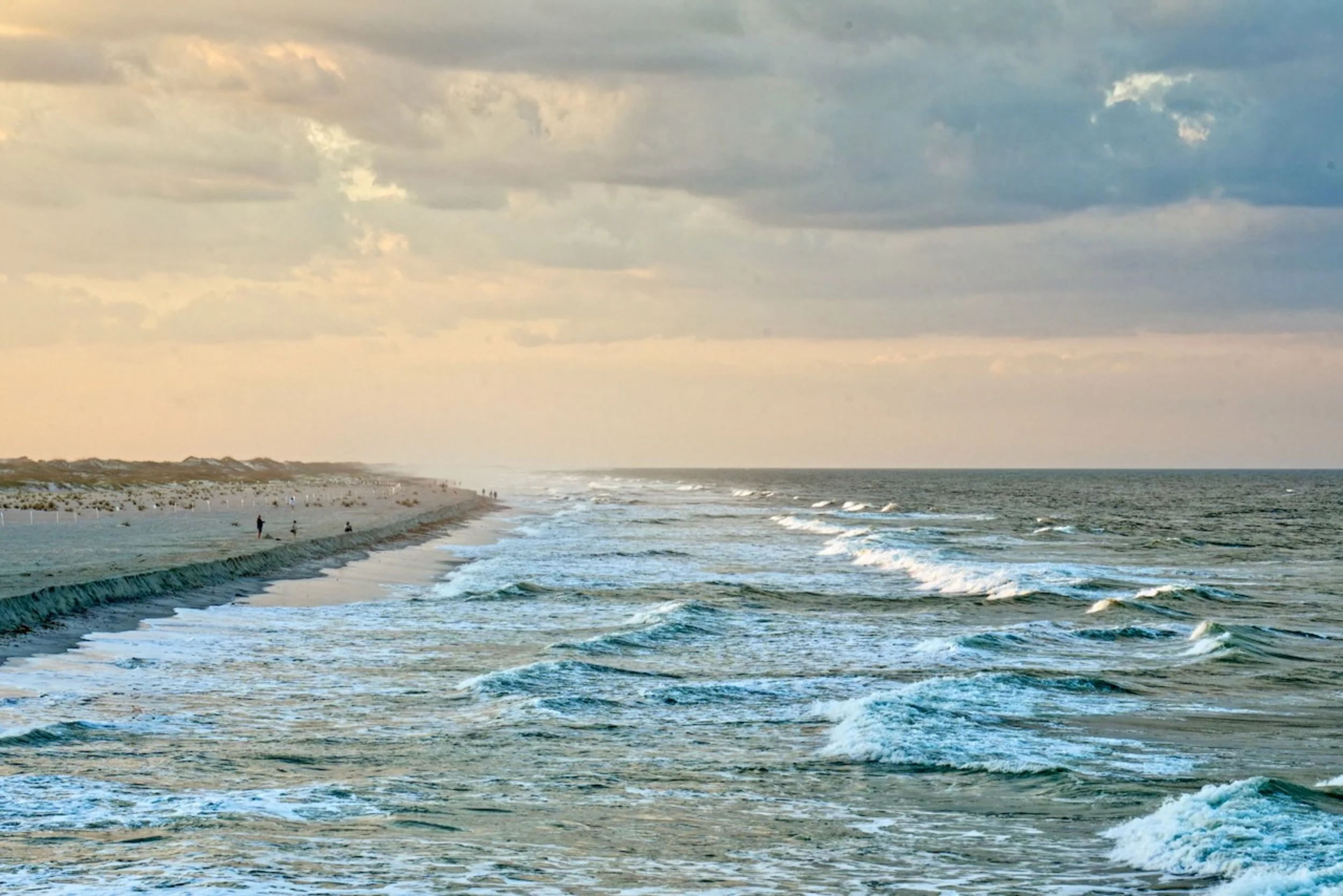
Saint Augustine Beach, Florida
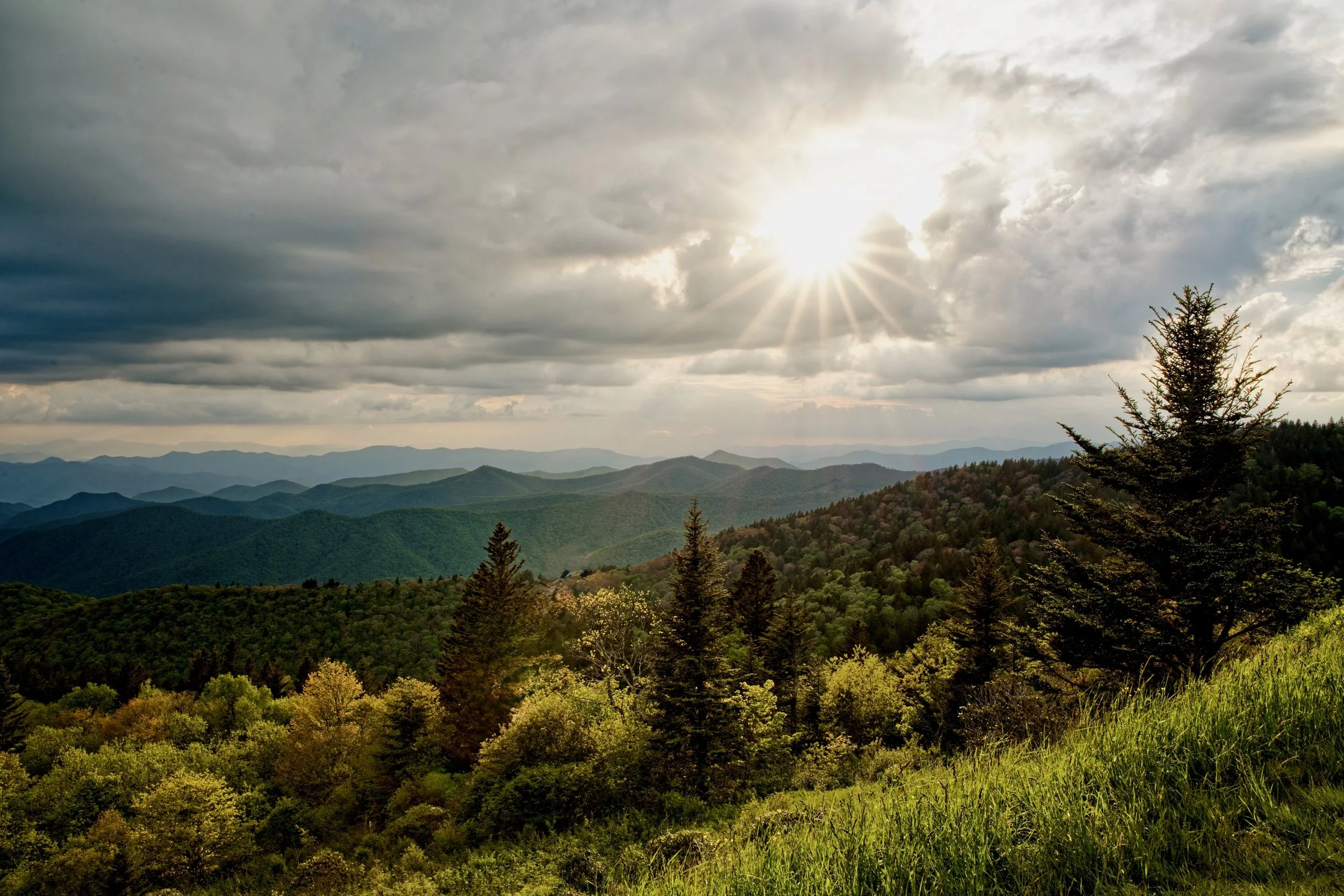
Blue Ridge Parkway, North Carolina
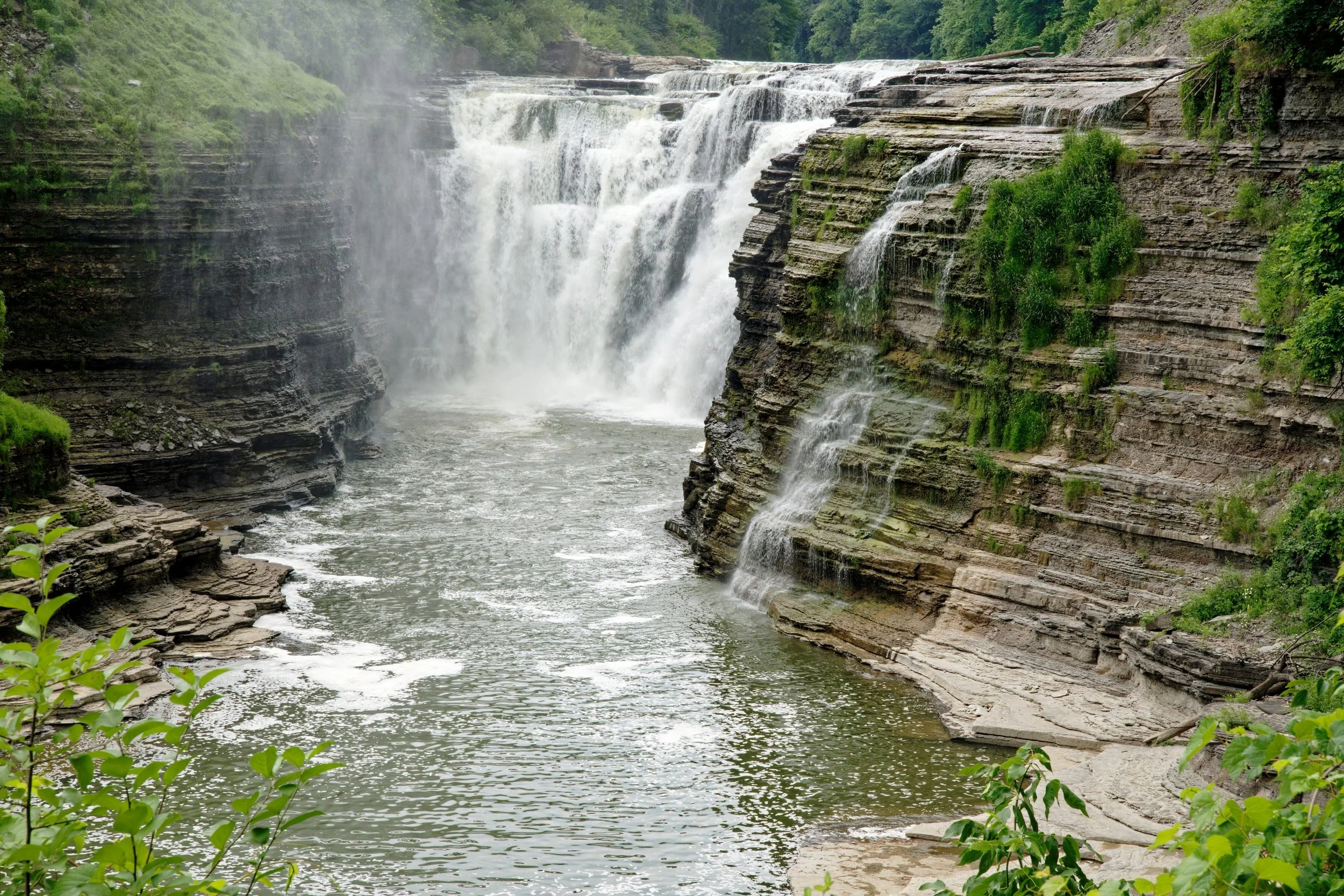
Letchworth Falls, Upstate New York
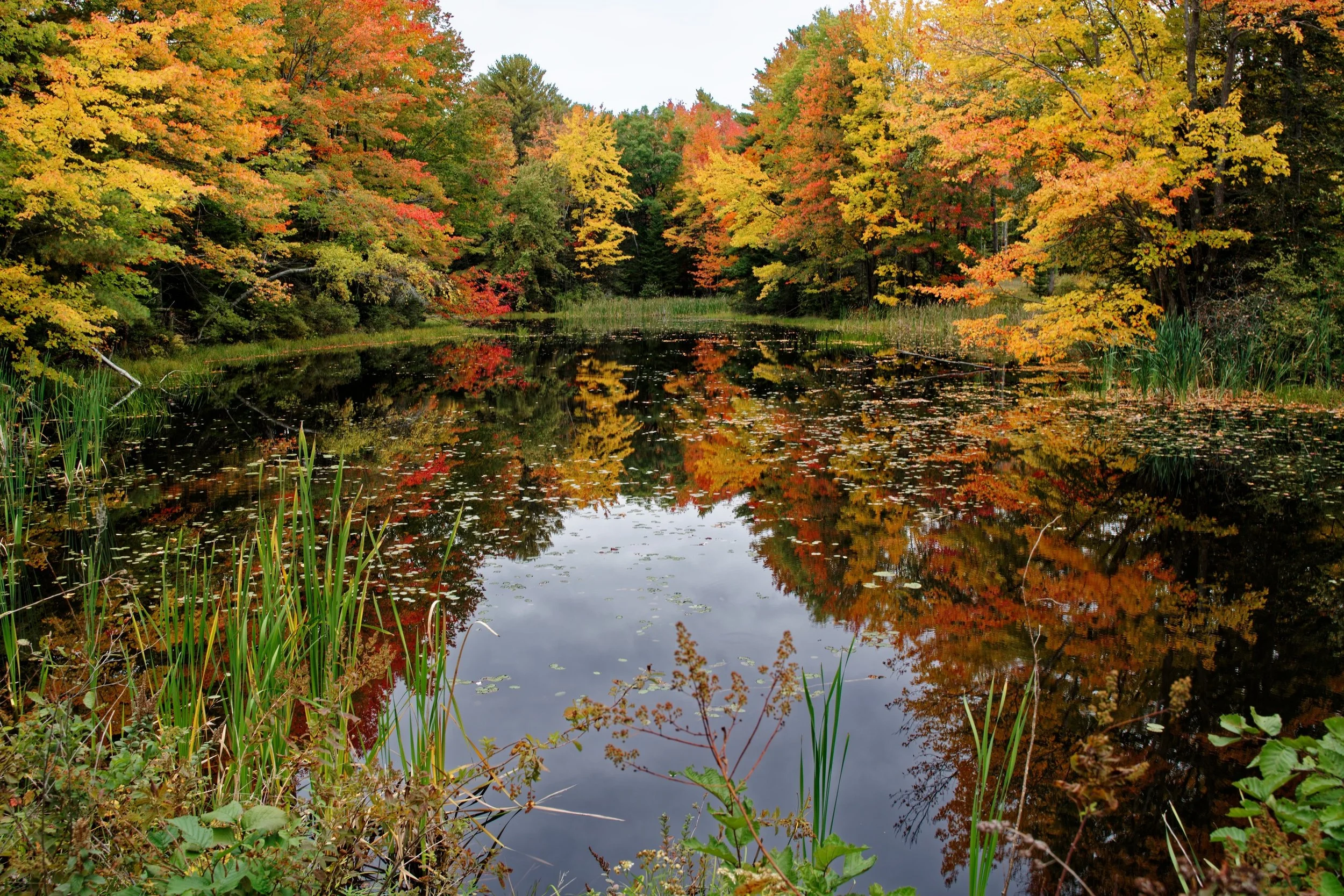
Fall Colors at Durham, Maine
Vintage National Park Service Illustrations
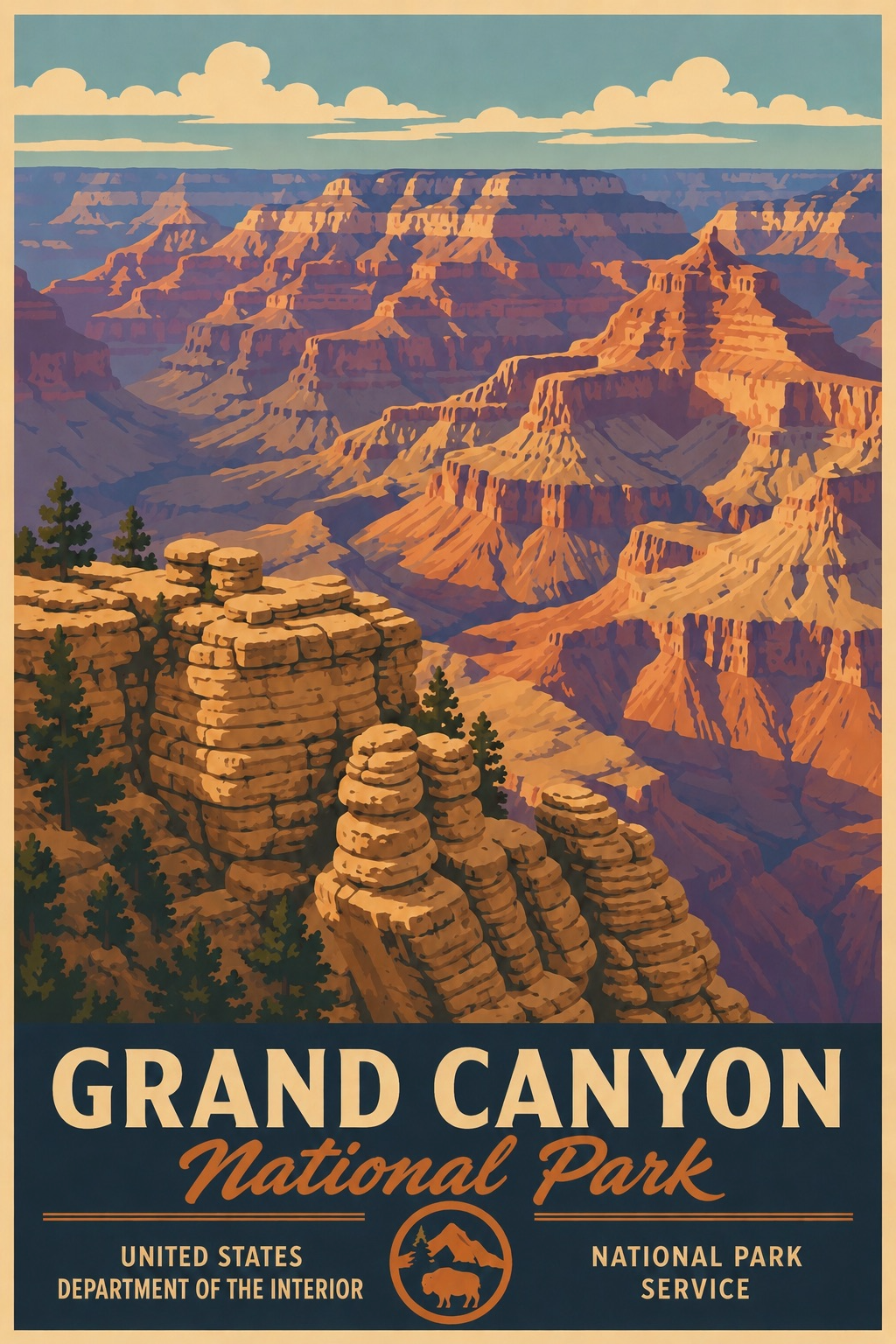
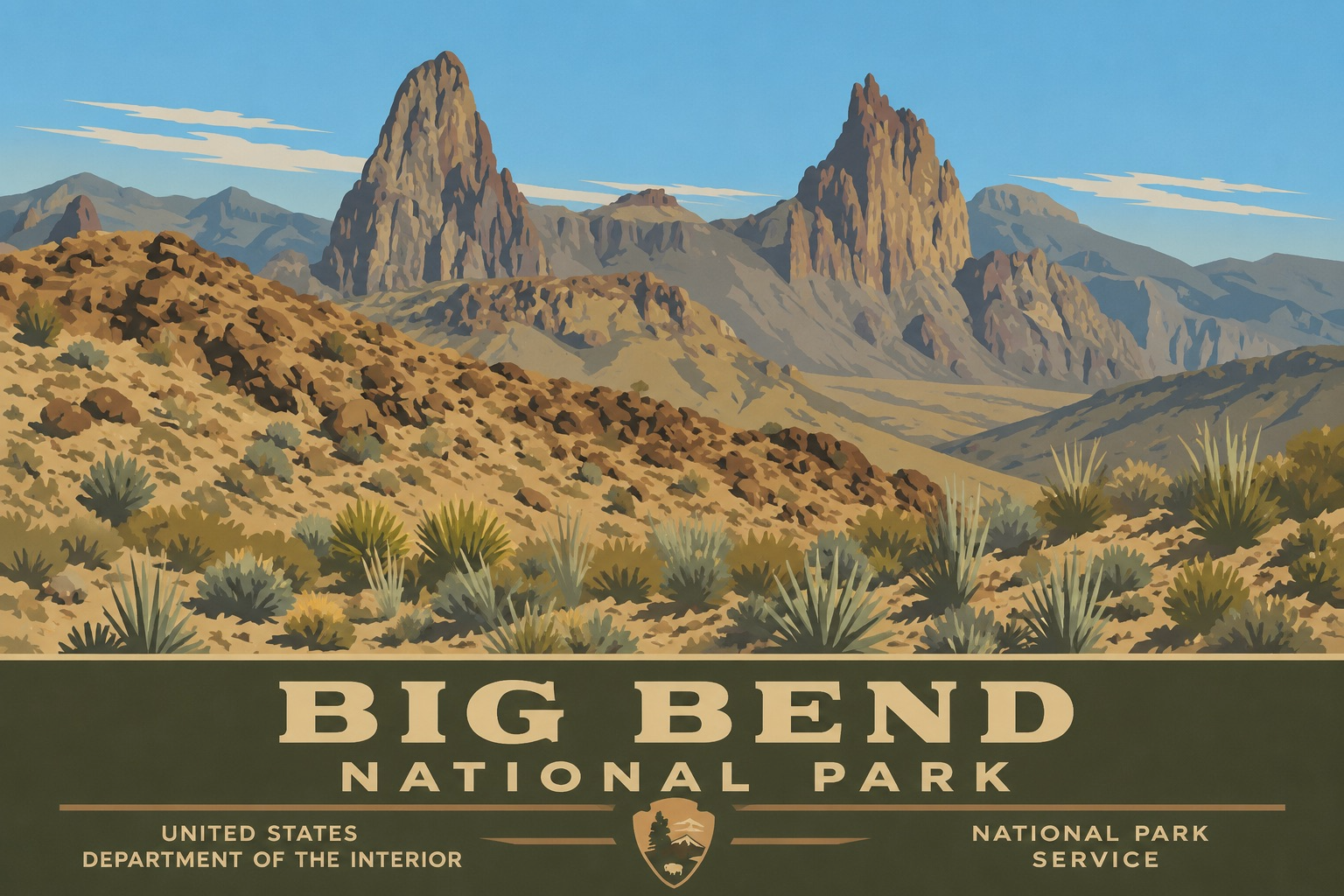
We’ve always been drawn to the look of those old WPA and National Park Service travel posters—the kind that can take a fairly ordinary photograph and turn it into something that feels both familiar and timeless. That’s the look we’re after here. The original photo should still be clearly recognizable, but some of the small details are simplified into bold shapes, clean lines, and a limited palette of coordinated colors. Mountains, trees, clouds, water, buildings, and people become more graphic without losing the character of the original scene. There’s no fake paper texture, aging, grain, or other “vintage” trickery. Instead, the image gets its personality from strong composition, simple forms, and color. The goal is pretty straightforward: create something that looks as though it might have come from a 1930s or ’40s travel poster, while still being unmistakably based on the photograph that started it all.
Mixed Media Illustrations
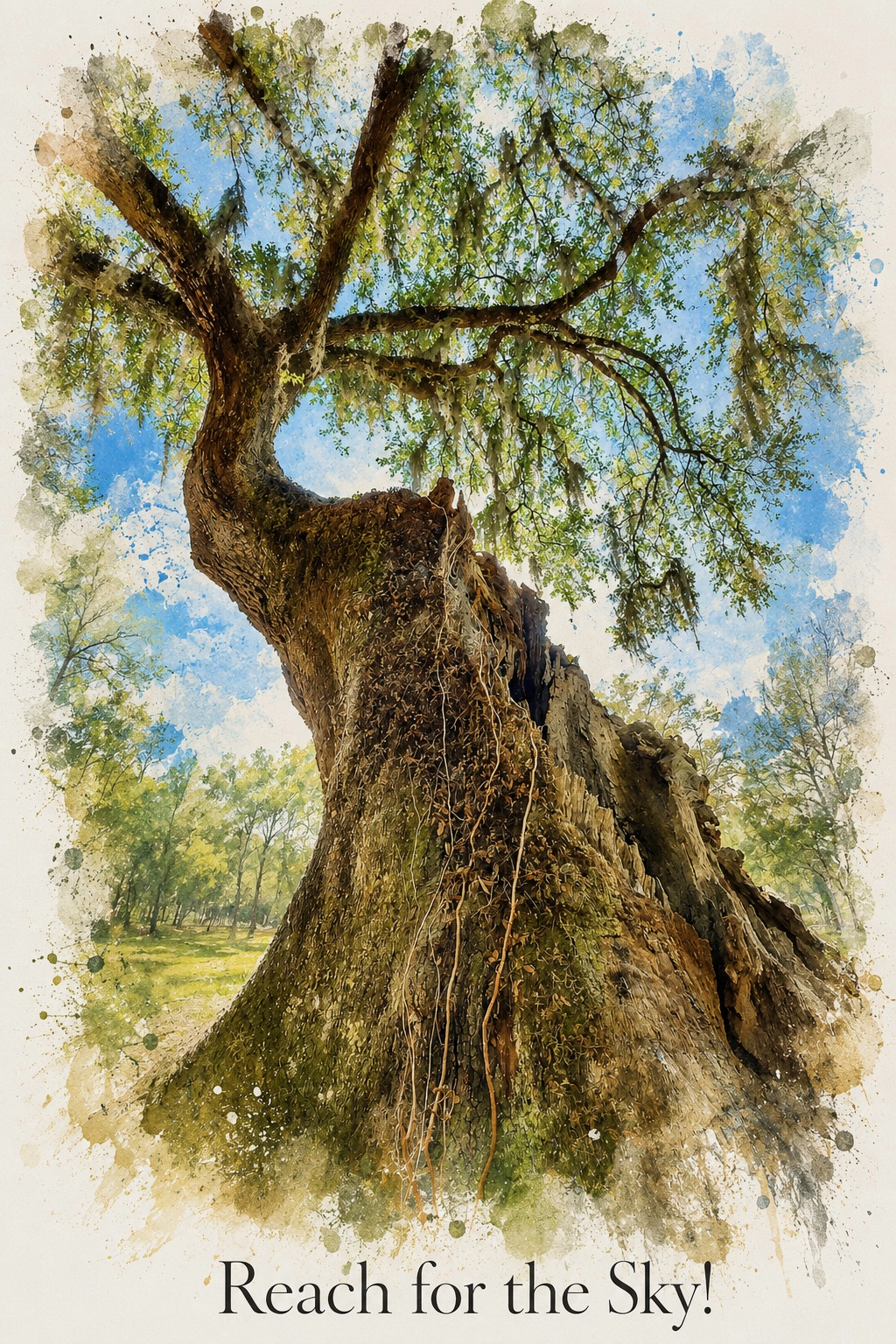
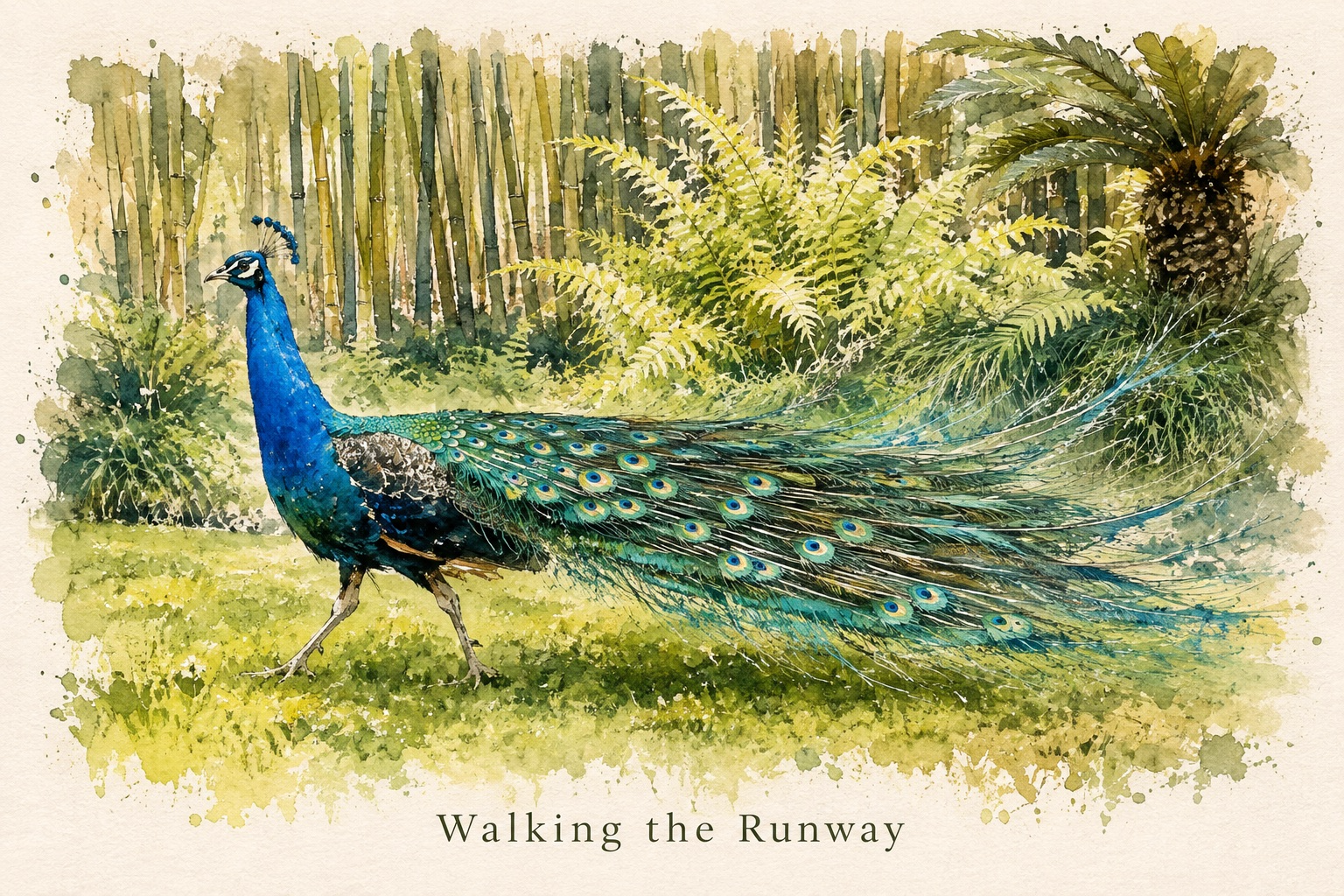
This illustration style begins with a photo, but it does not try to imitate one. Instead, it translates the scene into a lively mixture of transparent watercolor, expressive drawing, layered pigment, dry-media accents, and open paper. Important details remain recognizable, while less essential areas are allowed to loosen, merge, or quietly dissolve at the edges. The result feels carefully observed and wonderfully handmade—faithful to the original subject, but with more color, movement, texture, and, yes, a bit of artistic energy.
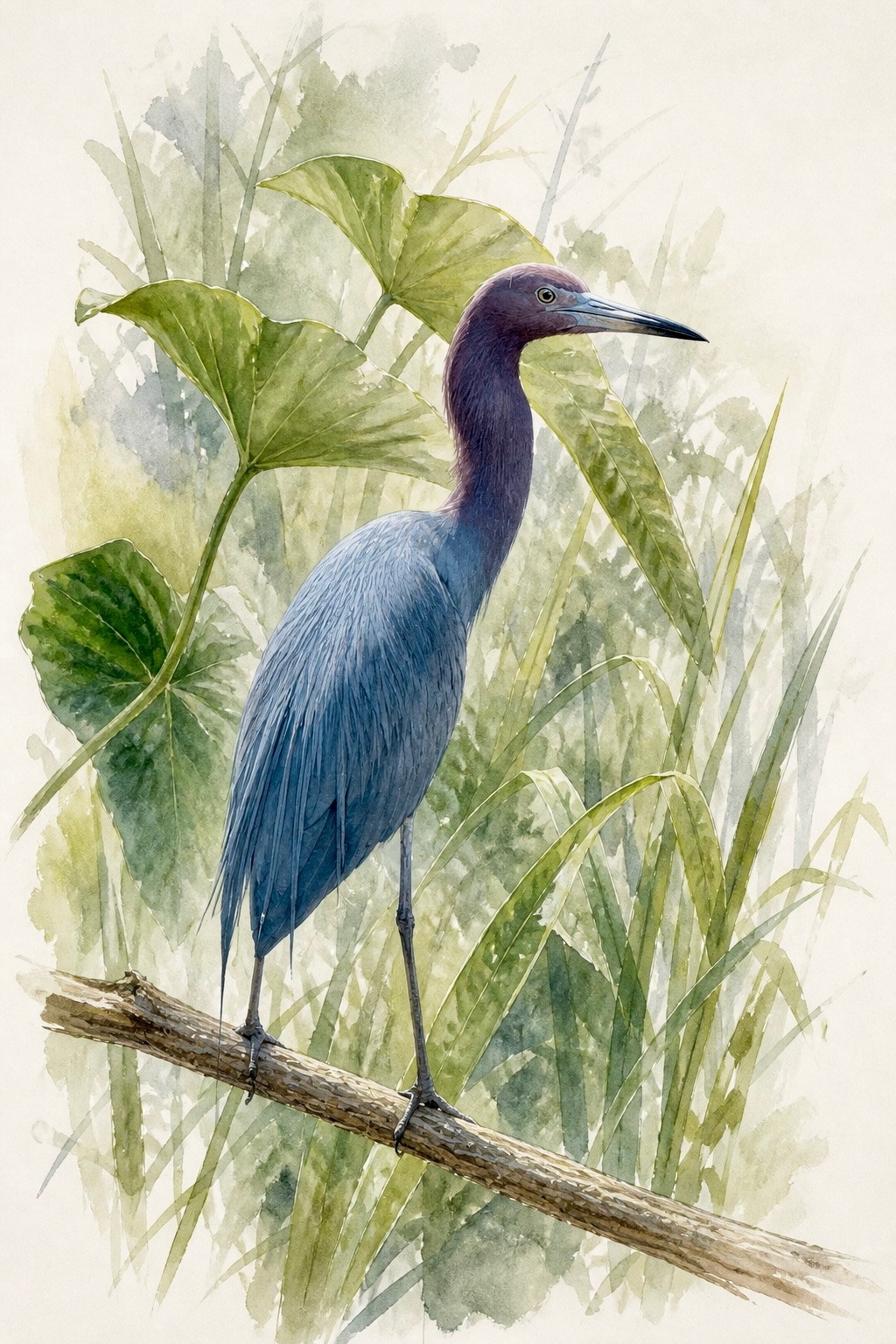
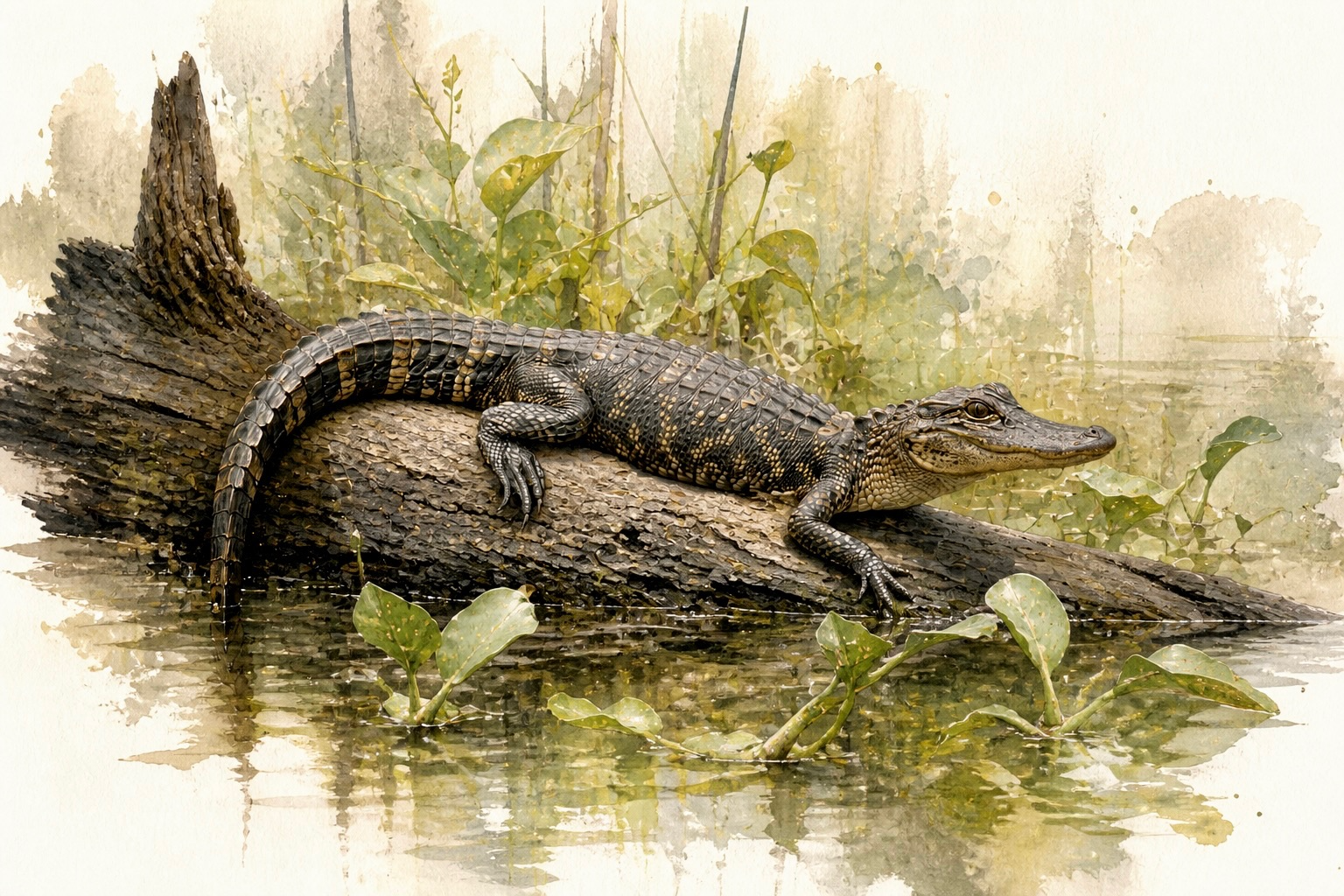
Audubon Nature Illustrations
Photographs translated into this illustration style do not simply morph it into a watercolor—where would the fun be in that? Instead, it borrows the beauty and drama of Audubon’s natural-history art: a strong, almost theatrical subject; carefully chosen details; luminous color; and a surrounding habitat that gradually dissolves into washes, loose drawing, and open paper. The result should still feel true to the original encounter, but artistic beauty matters more than scientific precision, especially in small details. Ideally, about half the image feels fully present and resolved, while the rest quietly fades into atmosphere and imagination. It is nature closely observed, thoughtfully rearranged, and given just enough freedom to become something more memorable than the photograph that started it.
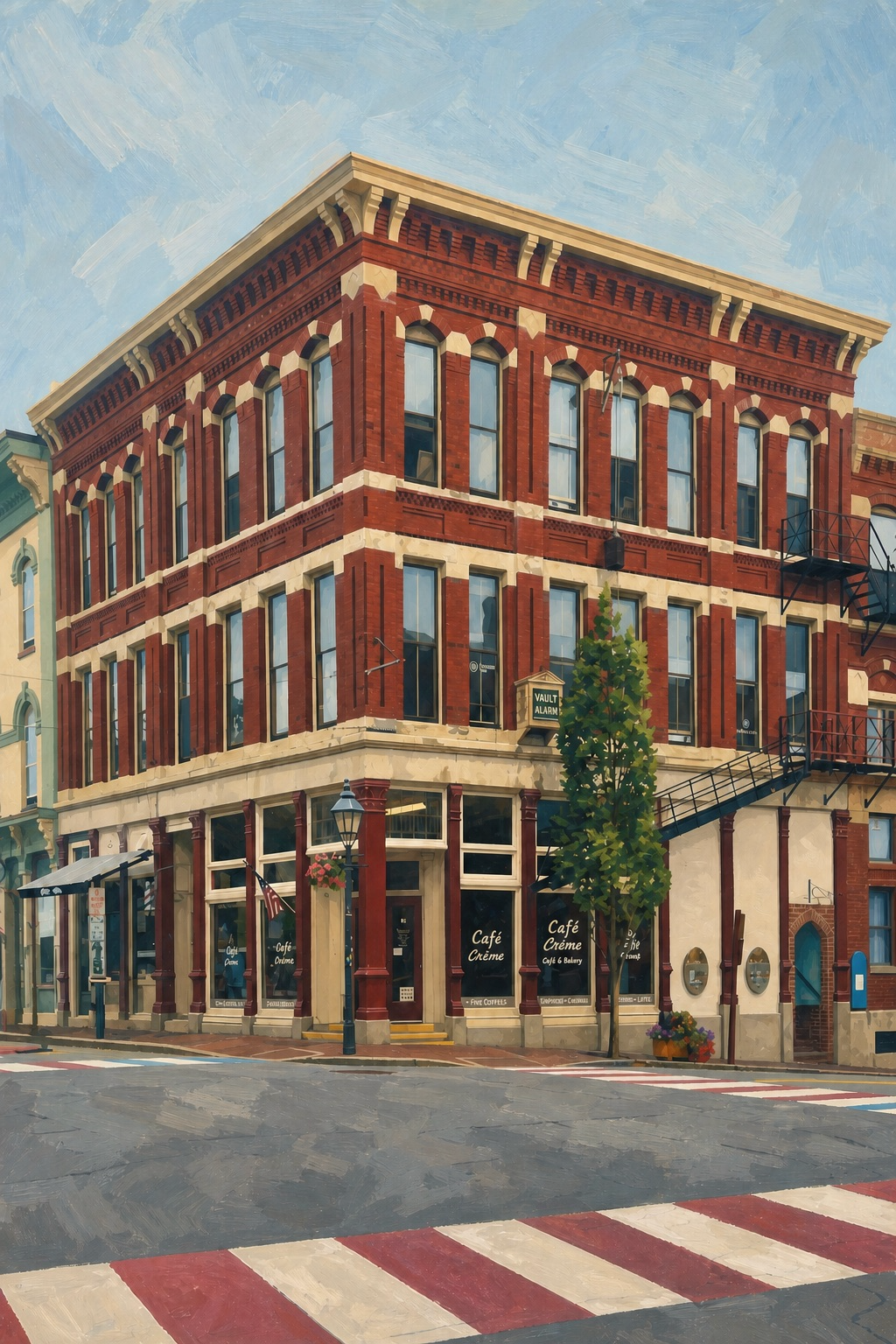
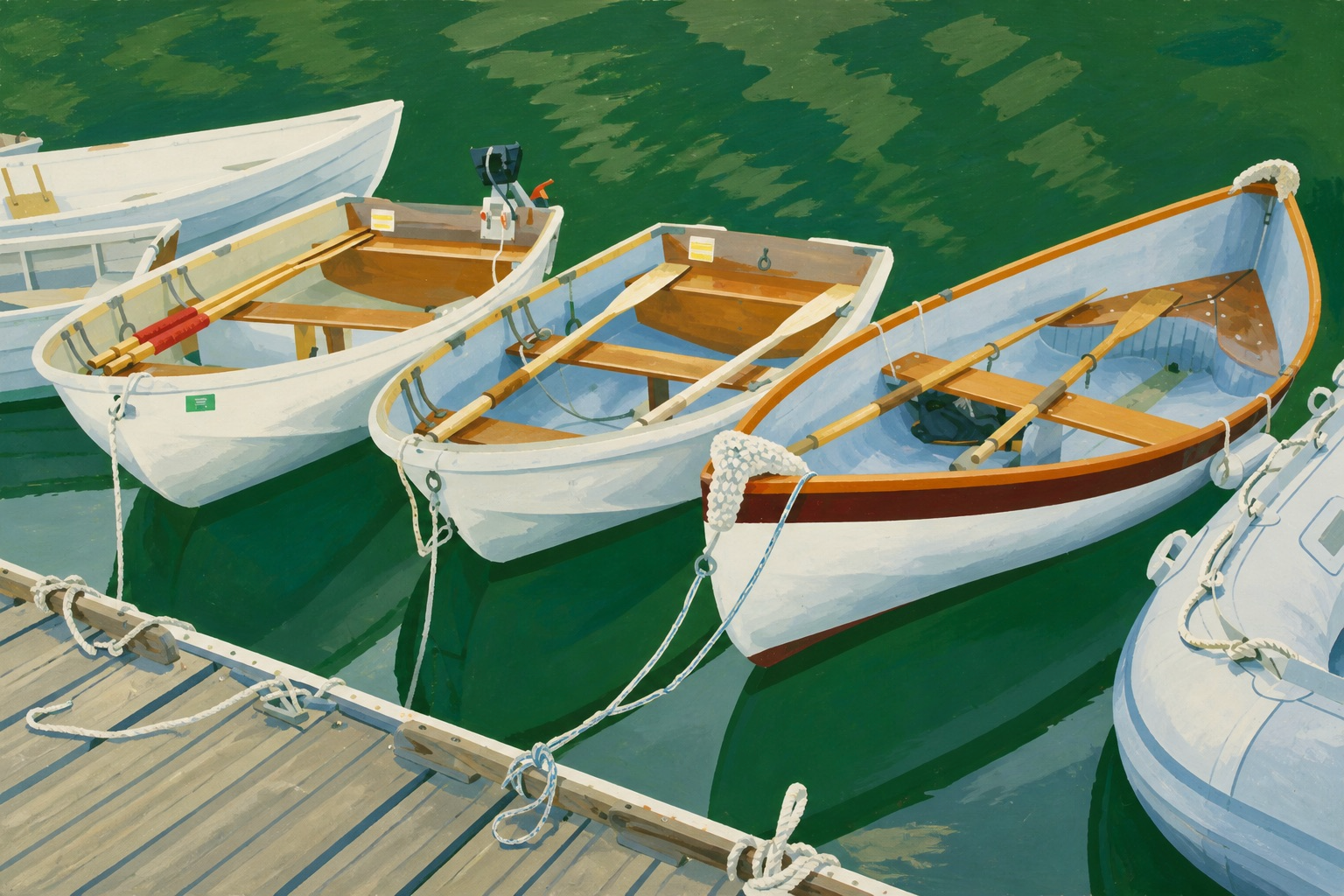
Mid-Century Gouache Illustrations
Starting once again from a photo, this illustration style reimagines it as a warm, hand-painted commercial gouache piece from the 1940s through the 1960s. Instead of trying to reproduce every tiny detail—and wearing out a perfectly good paintbrush in the process—it builds the scene from broad, opaque shapes, a limited family of colors, and confident brushstrokes that follow the form of buildings, trees, water, and other subjects. The original scene remains recognizable and structurally faithful, but the lighting is simplified, repeated details are thoughtfully grouped, and attention is reserved for the features that matter most. The finished image should feel matte, lively, and unmistakably handmade: graphic enough to read clearly from across the room, yet rich with small variations and painted character when you step closer.
Our Friends’ Photographic Illustration Gallery
Hey! Lois and I aren’t the only ones taking fun and beautiful photos. Check out our friends’ illustrations created from their favorite snapshots using Lois’s and my transform recipes .